We've sat on both sides of the HUD desk.
Wim Roach and Brian Lorenz combine longstanding industry relationships with actual underwriting expertise — so your deal is structured right the first time, and closes with fewer surprises.
Agency terms shown are typical; executions vary by deal.
We write the field guides for this program.
Not marketing copy — practitioner-grade analysis written from a former HUD underwriter's desk. A few worth starting with:
Two specialists. One team.
Wim brings the relationships and origination experience. Brian brings the underwriting depth. Together, your deal gets the full picture from day one.
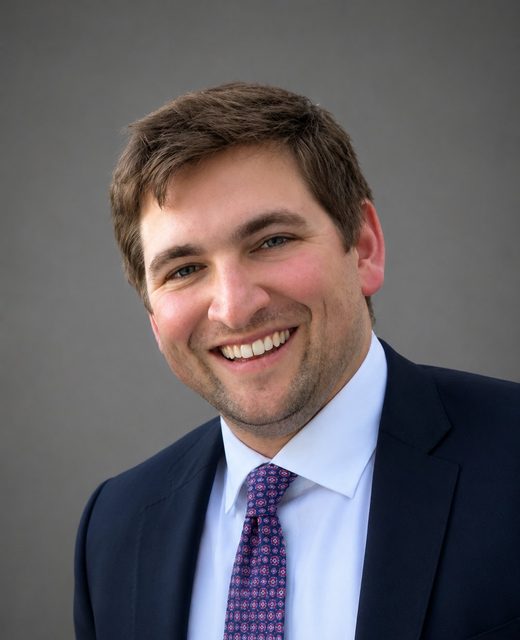

Brian Lorenz
FORMER AGENCY INTAKE LEAD
On leverage and terms, HUD is hardly ever beat.
Don't let the process scare you away from the best IRR you can get.
A developer comparing term sheets is comparing proceeds, amortization, rate, and recourse. HUD leads on all four. We say that as people who have sized deals on both executions — earlier in his career, Brian led Agency sizing and intake for a Northwest origination team, running every incoming deal through both HUD and FNMA to determine which execution was best. The tradeoff is time, and time is a process problem. Process problems are solvable with the right team.
| HUD 223(f) | Agency (Fannie/Freddie) | Bank | Debt Fund | |
|---|---|---|---|---|
| MAX LEVERAGE | 87% LTV (90% affordable) — 80% if cash-out | 75% LTV | ~60–70% LTV | ~75–85% LTV |
| MIN DSCR | 1.15x | 1.25x | ~1.25x+ | Debt-yield tested |
| AMORTIZATION | 35 yr, fully amortizing | 30 yr, balloon at maturity | 25–30 yr, balloon | Interest-only |
| TERM | 35 years | 5–12 years | 3–7 years | 2–4 years |
| RATE | Fixed — Ginnie Mae execution | Fixed or floating | Often floating | Floating, widest spreads |
| RECOURSE | Non-recourse | Non-recourse w/ carve-outs | Often full recourse | Non-recourse w/ carve-outs |
| ASSUMABLE | Yes | Sometimes, with fees | Rarely | No |
The right HUD product for your deal.
Our primary focus is the 223(f) and 221(d)(4) programs, but we originate across the full HUD/FHA multifamily product suite. If your deal doesn't fit the standard box, let's have a conversation about it.
HUD Section 223(f)
Long-term, fixed-rate, non-recourse permanent financing for the acquisition or refinance of existing stabilized multifamily properties. One of the most borrower-friendly loan structures in commercial real estate.
| Max LTV (market rate) | 87% |
| Max LTV (affordable) | 90% |
| Loan term | Up to 35 years |
| Amortization | Fully amortizing |
| Typical timeline | ~5 months |
| Recourse | Non-recourse |
HUD Section 221(d)(4)
Finances the construction or substantial rehabilitation of multifamily housing, converting to a permanent loan at certificate of occupancy — one loan from groundbreaking through the life of the asset.
| Max LTC (market rate) | 87% |
| Max LTC (affordable) | 90% |
| Loan term | Up to 40 years |
| Amortization | Fully amortizing |
| Typical timeline | ~11 months to close |
| Recourse | Non-recourse |
SUPPLEMENTAL LOANHUD Section 241(a)+
FHA REFINANCEHUD Section 223(a)(7)+
LOAN MODIFICATIONHUD Interest Rate Reduction+
The process, demystified.
HUD has a reputation for being slow and burdensome. Most of that reputation comes from applications that weren't built right the first time. The arc below is a typical 223(f) refinance when it is. For the step-by-step detail, we've written full guides to the 223(f) timeline and the 221(d)(4) construction timeline — new construction runs ~11 months on a longer version of the same arc.
Wim and Brian ran with my project — and I was nervous about HUD at the beginning. In the end, it was because we went with HUD and these guys that the project started.
Most originators sell the loan. We engineer it.
At most shops, an originator sells you on HUD and an underwriting desk discovers the problems later — after you've committed months and third-party invoices to the process.
We stay in the file through underwriting
The file goes to Centennial's underwriting desk and we stay in it, checking the work as it goes rather than waiting to hear how it landed — with the same read Brian applied when he was the one underwriting.
Centennial does HUD. That's the business.
Centennial Mortgage is a specialized HUD/FHA lender — not a bank balancing a HUD department against fifty other lines of business. The firm's relationships with HUD field offices reflect that focus, and when you work with us, those relationships are yours.
Rigorous pre-screening
We'll tell you quickly if your deal won't work — and why. Our underwriting background means a real read on feasibility, sizing, and timeline within days, before you're invested.
Centennial retains servicing
Many lenders sell the servicing after closing, and you end up with a servicer you never met. Centennial services the loans it closes. The relationship doesn't end at endorsement.
Our white papers cover how the programs work. The Quarterly covers what is changing — Washington D.C. and Mortgagee Letter updates, what is happening in the larger Agency marketplace, and the underwriting details that moved real deals. Four times a year, from Wim Roach and Brian Lorenz.
Unsubscribe any time. Browse past issues to see what you’d be getting.
You’re on the list. The next issue goes out at the end of the quarter.
Tell us about the deal. We'll tell you if it works.
Whether you have a deal ready to go or you're just starting to evaluate options, we're happy to spend 20 minutes walking through feasibility. No obligation — a straight answer from people who know the program.